Handmade Leather Boots: The Craft, Lasting Techniques and Bench-Made Makers
An exploration of true bench-made cordwaining, comparing hand-welted, stitchdown and Blake Rapid methods against mass production, with key benchmarks across small-batch workshops.
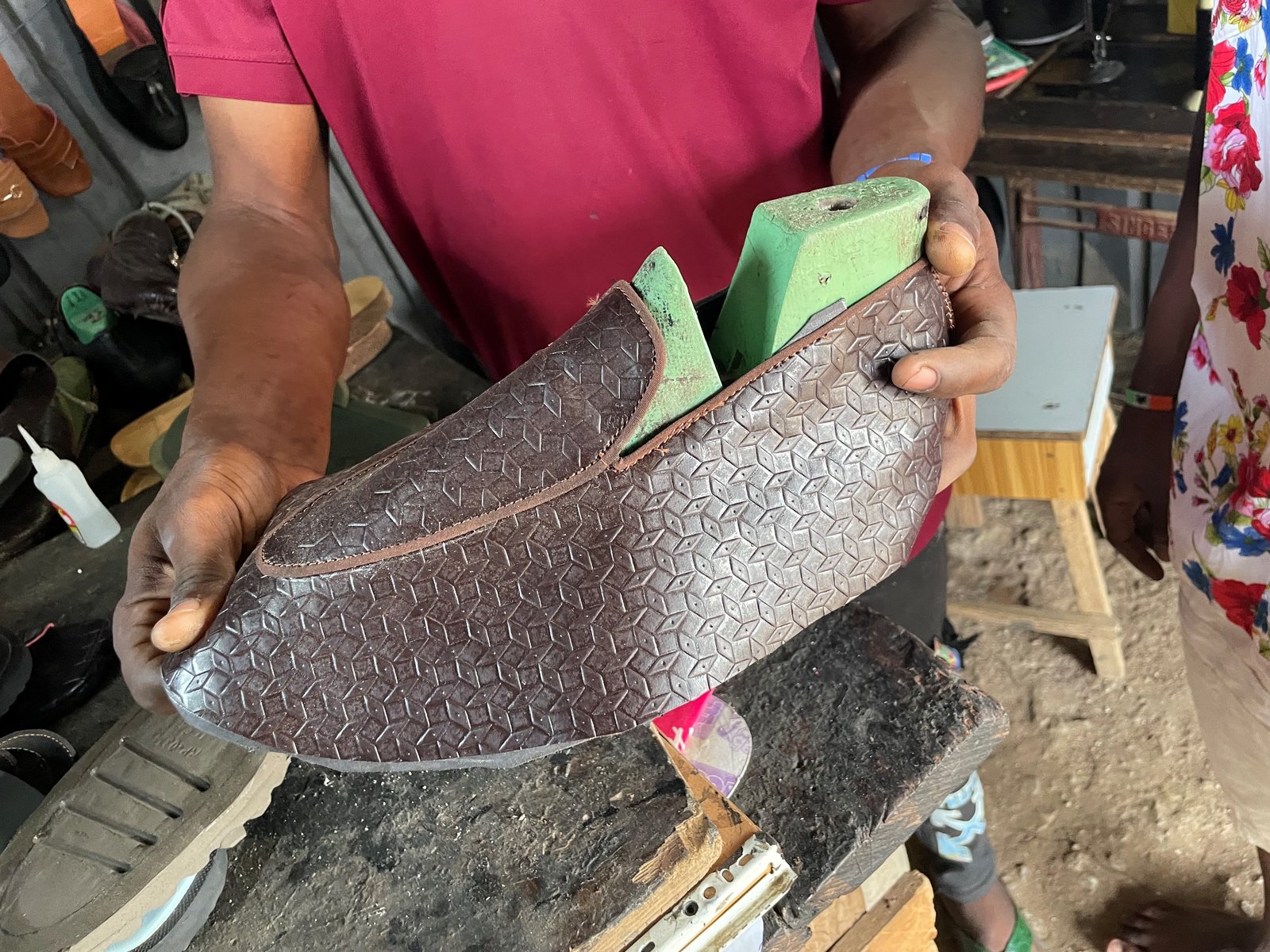
What 'handmade' truly means in traditional cordwaining
In an era where modern marketing routinely slaps the label 'handmade' onto mass-produced footwear that merely passes through human hands on a conveyor belt, understanding genuine cordwaining craft has never been more important.
Authentic bench-made boots depend on artisanal judgement at every stage of production. It begins with 'clicking'—the skilled manual cutting of individual pattern pieces from full-grain hides, where the clicker inspects natural grain stretch, density, and natural markings to ensure symmetrical wear. It continues through hand lasting, where the upper leather is pulled taut over the last with lasting pincers to eliminate pockets of excess volume, creating a shoe that retains its architectural shape for decades.
White's Boots: hand-sewn stitchdown and Arch-Ease support
Based in Spokane, Washington, White's Boots has preserved 19th-century logger cordwaining without dilution. Their premier models feature genuine hand-sewn stitchdown construction, an extraordinarily labour-intensive discipline found in very few commercial workshops today.
A master bootmaker uses a curved awl to pierce the thick 10-iron vegetable-tanned leather insole, the turned-out upper, and the leather welt simultaneously, pulling heavy waxed Irish linen thread tight by hand. White's patented Arch-Ease design provides an anatomical high-arch contour that eliminates lower back fatigue during 12-hour shifts on rugged ground. Built on the classic 55 last, their Semi-Dress boot offers a streamlined, versatile profile paired with legendary structural rigidity.
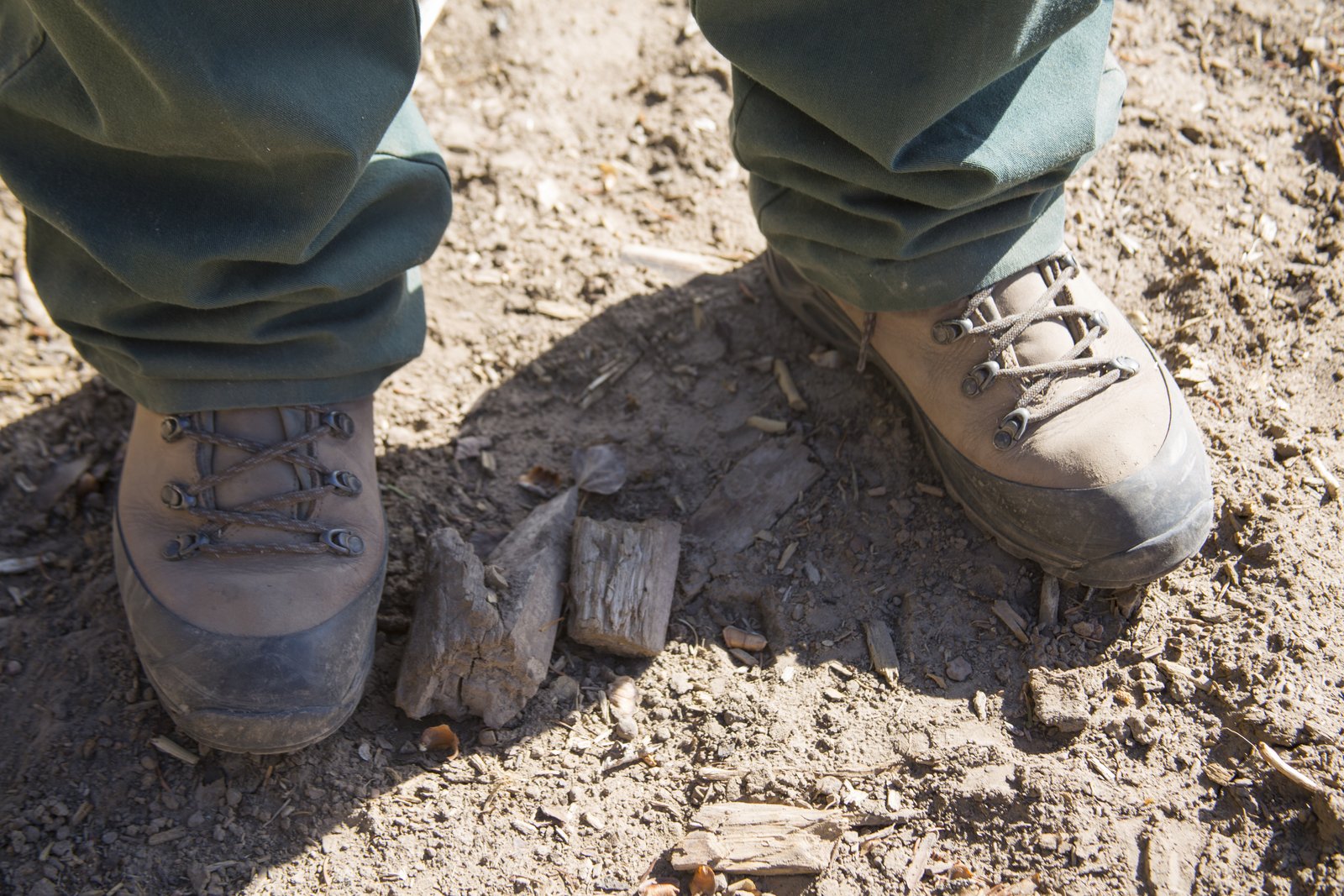
Nick's Handmade Boots: heavy-gauge Pacific Northwest bench craft
Also operating out of Spokane, Nick's Handmade Boots approaches cordwaining with zero compromise on material density. Nick's rejects internal synthetic fillers, plastic toe puffs, and celastic counters; every structural component is carved from thick vegetable-tanned leather.
The Falcon Heritage Boot is hand-lasted from heavy 7-8oz (3.2mm) full-grain work leather sourced from premier American tanneries like Seidel and Horween. Built with a solid brass screw-down arch support and heavy lockstitch welt construction, Nick's boots are engineered to be completely rebuilt—not merely resoled—multiple times over a wearer's lifetime.
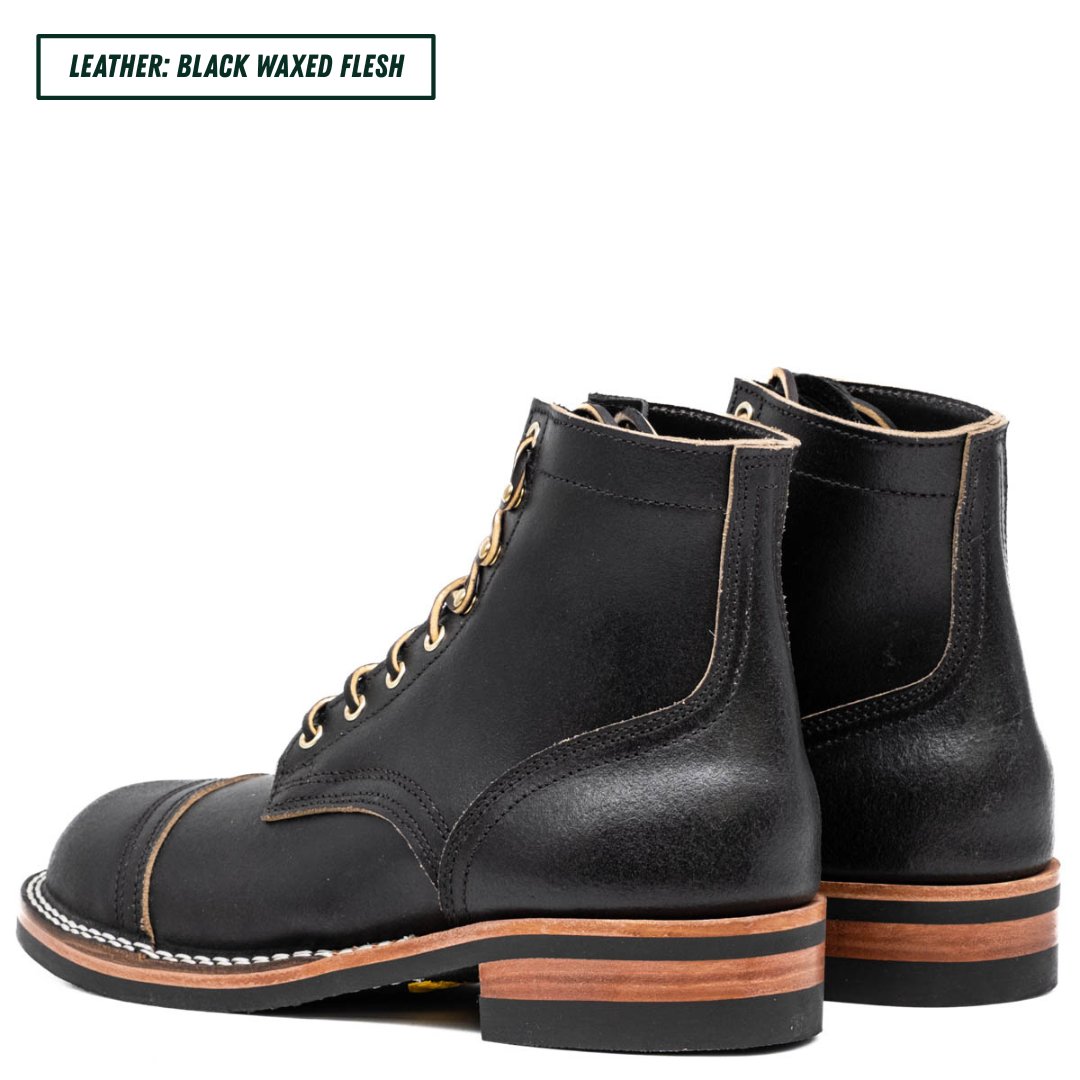
Old Mulla Tejo Black: artisanal Portuguese bench craft
In the historic shoemaking city of Guimarães in northern Portugal, the George family preserves artisanal small-batch footwear manufacture through Old Mulla. Rather than operating automated robotic production lines, each pair is hand-crafted by experienced cordwainers using time-honoured bench techniques.
The Tejo Black Boot is constructed from supple full-grain Portuguese black leather, fully lined with breathable natural leather for superior moisture management. Old Mulla employs a robust Blake Rapid double-stitched construction: the inner sole is directly stitched through the upper to a sturdy leather midsole, which is then double-stitched to a hardwearing rubber outsole. This delivers a boot that is immediately flexible and comfortable out of the box, yet fully capable of repeated resoling. Independent customer feedback on Judge.me and Etsy frequently commends the handcrafted finish, soft leather hand-feel, and robust everyday reliability.
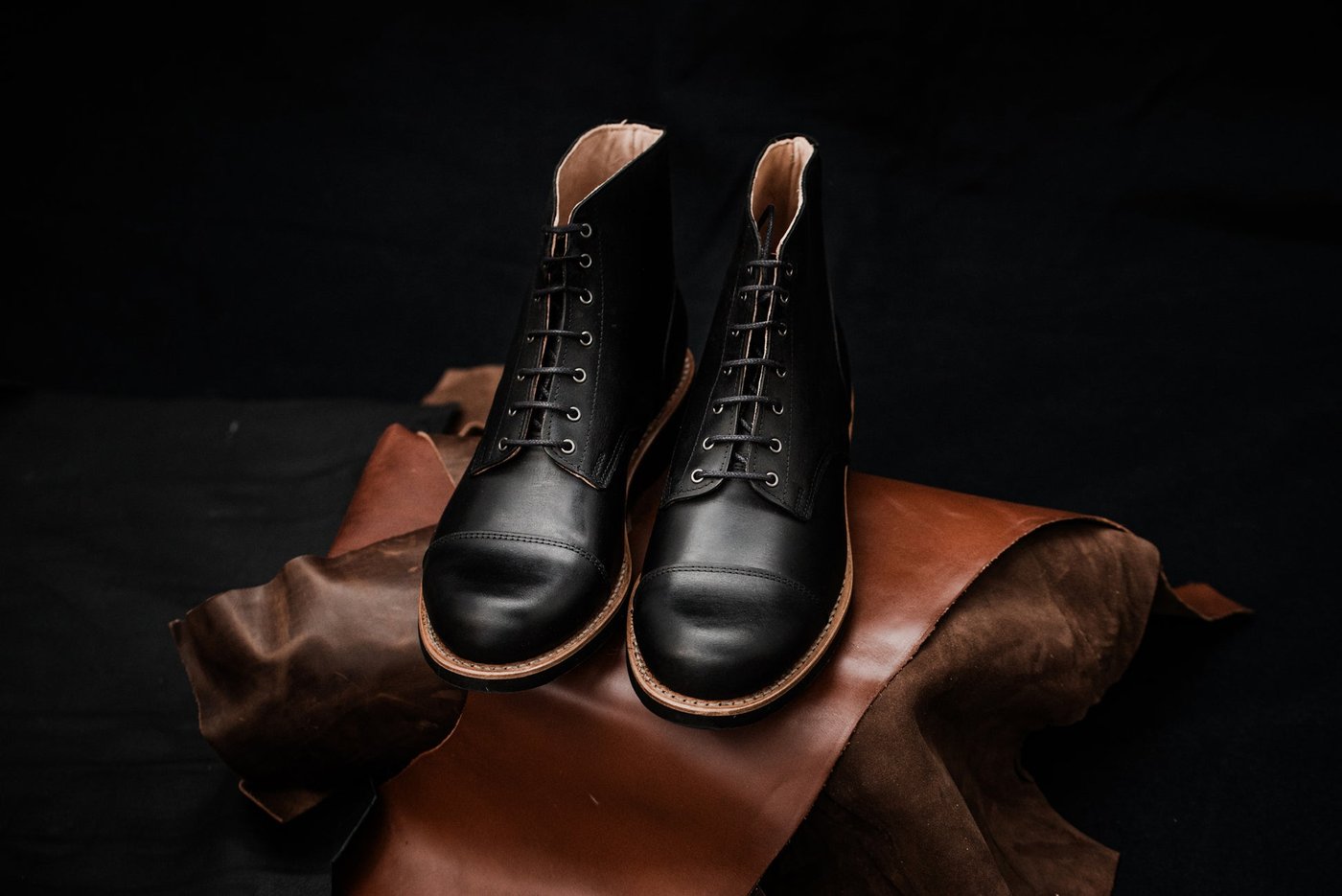
Frank's Boots: custom lasting and bespoke heritage
Founded by veteran cordwainer Frank DiGiovanna after decades of mastering Pacific Northwest bootmaking, Frank's Boots represents the uncompromising peak of bespoke and stock workwear. Every pair is clicked and lasted by hand with meticulous individual attention.
Their Type 1 Commander is built with thick, dense oak-tanned leather insoles, full leather heel counters, and triple-stitched heavy nylon thread. Frank's allows wearers to specify custom widths from AAA to FFFF, ensuring that individuals with non-standard foot proportions receive an anatomical fit that off-the-shelf industrial boots simply cannot match.
The trade-offs of investing in handmade footwear
Prospective buyers should recognise the realistic characteristics of bench-made leather boots before making a purchase:
- Break-in patience: Heavy hand-stitched boots with thick leather midsoles require 20 to 40 hours of wear to flex naturally around the foot.
- Artisanal variation: Slight variations in stitch spacing, leather grain texture, or edge bevelling are natural signatures of human hands rather than defects.
- Lifetime cost efficiency: While the initial purchase price is higher than cemented shoes, the ability to resole and rebuild the footwear repeatedly makes handmade boots dramatically cheaper per year of wear.